
Which tomato varieties suit pots on an Australian balcony?
Dwarf and bush tomato varieties that naturally stay under a metre tall are the most reliable choice for a balcony pot. These compact plants put their energy into setting fruit quickly rather than growing tall, which means you get a worthwhile harvest before the summer heat peaks.
Determinate tomatoes, often labelled as bush types, grow to a fixed size and produce most of their fruit over a few weeks. They suit short-season growing and are easier to manage in a pot because they need less staking. Indeterminate types keep growing and fruiting for months, so they need a larger pot, a sturdy support and more regular feeding. A few dwarf indeterminate varieties now combine the compact habit with the longer harvest window, making them excellent for balcony gardeners.
Look for these pot-friendly varieties in nurseries or seed catalogues:
- Tiny Tim, a dwarf cherry tomato that reaches about 40 centimetres and handles warm spring conditions well
- Patio Prize, a determinate bush type bred for containers, producing medium fruit on a plant under 70 centimetres
- Bush Early Girl, a compact determinate that sets fruit reliably in the variable temperatures of a coastal balcony
- Balconi Red or Balconi Yellow, dwarf cascading varieties that can be grown in hanging baskets and still yield sweet cherry tomatoes
- Roma VF, a determinate paste tomato that stays compact and gives you a concentrated crop for sauces
- Tumbler, a trailing indeterminate bred for pots and baskets, which will keep fruiting for months if you give it a slightly larger container
What size pot and what soil mix does a balcony tomato need?

A pot at least 300 mm wide and 300 mm deep gives the roots room to spread and stops the plant drying out too fast on a hot day. Compact bush varieties can manage in a 250 mm pot, but a full-size indeterminate tomato will struggle in anything smaller. Bigger is always safer, especially on a sunny balcony where the soil heats up quickly. Every pot must have at least one large drainage hole; a saucer underneath catches the overflow without leaving the roots sitting in water.
Garden soil straight from a bag or the ground is too heavy for a pot and packs down hard after a few waterings. A lightweight mix made from three parts premium potting mix, one part compost and one part perlite or coarse river sand holds moisture without becoming soggy. The perlite or sand keeps the mix open and airy, which balcony tomatoes need because their roots cannot push through dense soil. Stir a tablespoon of slow-release tomato fertiliser into the top third of the mix to give the plant a gentle start without burning young roots.
How many hours of sun do potted tomatoes need?
Tomatoes grown in pots need at least six hours of direct sunlight each day. Morning sun is gentler and dries dew from the leaves, which helps keep fungal problems at bay. A spot that catches sun from sunrise until early afternoon usually works better than one that only gets harsh western sun after 2 pm, especially on a balcony where reflected heat from walls and paving can stress the plant.
Watch how the light moves across your balcony over a full day before you place the pot. A north-facing balcony gets the longest run of sun. East-facing spots give good morning light but may fall short of six hours in winter. West-facing balconies deliver intense afternoon heat that can scorch leaves and dry out the potting mix fast. If your only usable spot gets three to four hours of direct light, stick with cherry or bush varieties and move the pot to follow the sun when you can.
How often should I water tomatoes in pots?

Tomatoes in pots on a balcony lose moisture much faster than those in garden beds because the sun heats the container from all sides and the wind strips water from the leaves and potting mix. In spring you may water every second day, but once summer hits and the plant is full of fruit, a daily soak is normal. On a run of days above 35 degrees, check the pot in the morning and again in the late afternoon because a mature plant in a terracotta pot can dry out in a single afternoon.
Push your finger into the mix to the second knuckle. If it feels dry at that depth, water slowly until it runs out the drainage holes. A quick splash that dampens only the top centimetre encourages shallow roots and leaves the root ball dry. Lift the pot straight after watering to feel its full weight, then lift it again the next day. The difference tells you more than any schedule can.
Pots dry out unevenly in coastal humidity, inland dry heat and windy high-rise balconies, so watch the plant rather than the calendar. Leaves that droop in the morning mean the plant has been dry overnight. Leaves that yellow and curl at the edges often mean the mix stays wet too long. In a heatwave, move the pot into afternoon shade and stand it in a shallow tray that holds a centimetre of water for a few hours, then empty the tray so the roots do not sit in water overnight.
What is the best feeding schedule for balcony tomatoes?
Start liquid feeding your balcony tomatoes when the first tiny fruit appears, not before. A pot with fresh, quality potting mix already holds enough nutrients to push the plant through early leaf and flower growth. Adding fertiliser too soon creates lush green tops and very little fruit.
At the fruiting stage, switch to a liquid tomato food with an NPK ratio where potassium is the highest number, something like 4-3-8. Potassium drives flower and fruit development. Dilute the concentrate according to the label and apply it every seven to ten days. In a confined pot, a half-strength dose every five days is often safer than a single heavy weekly feed.
Watch the leaf tips. If they turn brown and crispy, you are overfeeding. Flush the pot with plain water to wash out excess salts and skip the next scheduled feed. A plant in a small volume of mix cannot store surplus nutrients, so a little often works much better than a lot all at once.
How do I support a tomato plant in a pot on a windy balcony?

A sturdy stake driven into the pot right after planting keeps the main stem upright without disturbing the roots later. Choose a hardwood stake or a powder-coated steel rod at least 1.5 metres tall and push it all the way to the bottom of the container. Tie the stem loosely to the stake with soft jute twine or a strip of old pantyhose every 25 centimetres as the plant grows, leaving a finger-width gap so the tie does not cut into the stem.
Wind gusts on upper floors can topple a top-heavy pot even with a stake in place. Sit the container inside a heavier outer planter or place a clean brick or two paver halves on the soil surface around the base of the plant. For a long-term fix, choose a wide-based pot with a heavy material such as terracotta or concrete rather than lightweight plastic.
When are balcony tomatoes ready to pick?
Tomatoes are ready when they reach their full colour, whether that is deep red, orange, yellow or striped, depending on the variety you planted. The fruit should feel slightly firm but give just a little under gentle thumb pressure. A ripe tomato also pulls away from the stem with almost no effort. If you have to tug, leave it another day or two.
To harvest, cup the fruit in your palm and lift it upwards so the knuckle on the stem snaps cleanly. If the stem does not break on its own, use a clean pair of secateurs or kitchen scissors to cut it, leaving the green cap attached to the fruit. Picking in the morning gives you the crispest, coolest fruit before the balcony heats up.
At the end of the season, when nights turn cool and the plant stops producing, pick any full-size green fruit and bring it indoors. Place the green tomatoes in a single layer in a cardboard box or paper bag with a ripe banana or apple. The ethylene gas from the ripe fruit will turn them red over a week or two. Small, hard fruit that has not reached its mature size rarely ripens well, so those can go into a green tomato chutney instead.
Frequently asked questions
Can I grow tomatoes on a south-facing balcony?
Yes, a south-facing balcony often works well because it receives consistent light through the day. In hotter parts of Australia the afternoon sun can be intense, so move the pot slightly back from the railing or use shade cloth during heatwaves to stop the leaves from burning.
Do I need to hand-pollinate tomatoes on a balcony?
Tomatoes are self-pollinating and outdoor balconies usually get enough breeze and insect visits to set fruit. If flowers drop without forming fruit, gently shake the flowering trusses in the morning or run a small paintbrush inside each open flower to move the pollen.
How do I stop possums or birds eating my balcony tomatoes?
A lightweight net draped over a simple frame keeps most visitors out without trapping them. Pick fruit as soon as it shows full colour, and avoid leaving overripe tomatoes on the plant overnight because the smell attracts wildlife.
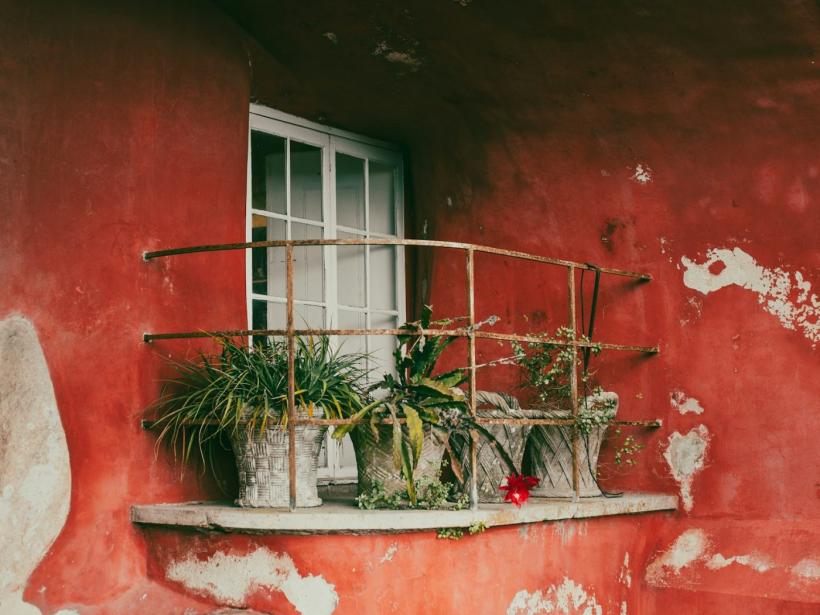
Photo: Tiberiu, Unsplash (Unsplash License)