How long does cabinet paint take to dry?
Water-based cabinet paint usually feels dry to the touch in 30-60 minutes, takes a second coat after 2-4 hours, and cures hard over 7-14 days. Oil-based enamel is slower: touch dry in 6-8 hours, recoat after 16-24 hours, full cure in 2-3 weeks.
Drying and curing are different things. Drying means the solvent or water has left the surface film, so dust no longer sticks. Curing is the chemical hardening that follows, and the finish stays soft enough to mark with a fingernail for days after it feels dry.
- Water-based: touch dry 30-60 minutes, recoat 2-4 hours, cure 7-14 days.
- Oil-based enamel: touch dry 6-8 hours, recoat 16-24 hours, cure 2-3 weeks.
- Two-pack polyurethane: pot life under 8 hours, recoat per the label, full hardness in about 7 days.
- Chalk-style paint: touch dry in about 1 hour, but it needs a wax or topcoat to resist kitchen grease.
Which paint type suits your cabinets?

Water-based enamel dries to the touch in about an hour and accepts a second coat within 2-4 hours, which suits most kitchen projects. It cleans up in water and stays flexible on MDF doors, though it takes roughly a week to harden fully.
Oil-based enamel needs 8-24 hours between coats and up to a week before it cures hard. It levels well and resists knocks, but it yellows over time and the fumes linger in a closed kitchen.
- Water-based enamel dries fastest and is the easiest to live with during a renovation.
- Oil-based enamel gives a tough, glossy film but slows the whole job by days.
- Chalk and mineral paint touch-dry in 30-60 minutes and suit a matte, hand-finished look, but they need a wax or topcoat to survive kitchen grease.
- Lacquer, usually sprayed by a trade, dries quickly between coats yet needs controlled conditions and a full cure before use.
How do heat and humidity affect drying?
Heat speeds up drying and humidity slows it, so the same paint can feel dry in two hours on a dry 25°C day and still be soft the next morning in steamy coastal air. Water-based cabinet paint dries mainly as water evaporates, and air already loaded with moisture takes that water away slowly. Oil-based paint cures by reacting with oxygen, so it is less fussy about humidity but slows sharply once the temperature drops below about 15°C.
Australian summers push the other way. On a 35°C day in a closed kitchen the surface can skin over before it levels, leaving brush marks and a soft film underneath. Coastal suburbs add salt-laden damp air, and cold winter mornings can leave a kitchen below 10°C for hours, which stalls both types of paint.
- Keep the room between 18°C and 25°C while painting and for 24 hours after.
- Run exhaust fans and open windows to move moist air out, not just around.
- Paint early in the day in summer so the coat levels before the afternoon heat peaks.
- Use a small fan for air movement in humid weather, aimed away from the wet surface.
- Wait to recoat in damp conditions until the first coat feels firm, not tacky.
- Wait for a dry forecast in winter rather than painting through a cold snap.
When can you put doors and drawers back?

Wait until the paint is hard to the touch and no longer lifts under a fingernail, usually 24-48 hours for water-based enamel and 3-7 days for oil-based paint. Refitting too early presses the film against the frame and leaves marks that are hard to sand out.
Follow this order once the film has cured:
- Check the film first. Press a hidden edge with a clean fingernail and look for a dent that stays.
- Refit hinges and handles after 48 hours, turning screws gently so the paint does not crack.
- Hang doors once the film has cured, and keep them slightly ajar for the first day.
- Refit drawers into their runners and slide them slowly the first few times.
- Resume light kitchen use after 7 days, keeping heavy pots and steam away from fresh surfaces.
Oil-based finishes need the full week before doors go back on. If the weather is cool or humid, add another 2-3 days before you refit anything.
How do you speed up drying without ruining the finish?
Warm air and steady airflow do most of the work. Aim for 20-25°C and keep air moving across the painted faces with a pedestal fan set on low, pointed slightly away from the surface rather than straight at it. In a muggy Brisbane summer, a dehumidifier pulling the room down to 50-60% relative humidity can cut hours off the recoat window.
Open windows and doors for cross-flow, and leave cabinet doors propped open on their hinges so air reaches both sides. Wipe up drips and runs straight away, because a thick bead of paint skins over while the paint underneath stays soft.
- Keep the room above 15°C, because cold slows curing and leaves a soft film.
- Never aim a fan or heater directly at fresh paint, which causes skinning and wrinkles.
- Apply thin coats and respect the recoat time on the tin.
- Avoid trapping moisture by closing up the room too early.
- Keep pets and kids out until the surface is touch-dry.
What causes paint to stay tacky for days?

Tacky paint usually means one of five things went wrong. the coat went on too thick, the surface still held kitchen grease, the room stayed cool, the undercoat did not suit the topcoat, or the second coat went on before the first had set. Water-based cabinet paint typically feels dry to the touch in 1-2 hours, but a full hard cure takes several days, and any of these faults stretch that out.
Grease is the usual culprit in kitchens. Cooking fats settle on doors and frames, and paint that goes over them never bonds properly, so it stays soft no matter how long you wait.
- Thick coats trap solvent and slow the cure, so two thin coats beat one heavy one.
- Grease or polish left on the surface stops the paint bonding, so wash with a degreaser and rinse before sanding.
- Cool weather below about 10°C stalls the chemical reaction that sets the film.
- An incompatible undercoat, such as an oil-based primer under water-based paint, can keep the topcoat soft.
- Recoating too soon seals in solvent from the first coat, so follow the label's recoat time.
How long before the kitchen is fully back in use?
A typical DIY cabinet repaint runs about 7-14 days from prep to full cure. Most kitchens are usable again within 3-5 days, once the doors and drawers are back on.
Plan the schedule around the curing stage. Allow 1-2 days for cleaning, sanding and priming, 2-3 days for coats and rehanging, then 7-30 days before the finish is fully hard. Water-based enamel usually cures within 7-14 days, oil-based within 14-30 days.
- Days 1-2: empty cabinets, degrease, sand and prime.
- Days 3-5: apply two topcoats and let each dry.
- Days 5-7: rehang doors and drawers and refit hardware.
- Weeks 1-4: keep the kitchen gentle while the paint cures.
Call a professional if the paint stays soft after a week, the doors no longer sit flush, or the kitchen must be back in service within days. A spray-finish service can shorten the timeline and deliver a harder finish.
Frequently asked questions
Can I use my kitchen the day after painting the cabinets?
You can use the bench and sink once the paint is touch dry, usually after a few hours. Keep doors and drawers off and avoid steam, splashes and heavy handling for at least 24 hours, and longer in humid weather.
Does water-based cabinet paint dry faster than oil-based?
Yes. Water-based enamel is usually touch dry in about an hour and ready for a second coat in 2-4 hours. Oil-based enamel needs 6-8 hours before recoating and can take days to lose its tack.
Why is my cabinet paint still sticky after two days?
Thick coats, cool or humid air, grease left on the surface and recoating too soon are the usual causes. Sticky paint needs more airflow and warmth rather than another coat on top.
How long should I wait before hanging the doors?
Wait at least 24 hours, and 48 hours in humid or cool conditions. Hanging doors while the paint is soft can leave marks around the hinges and edges that are hard to fix later.
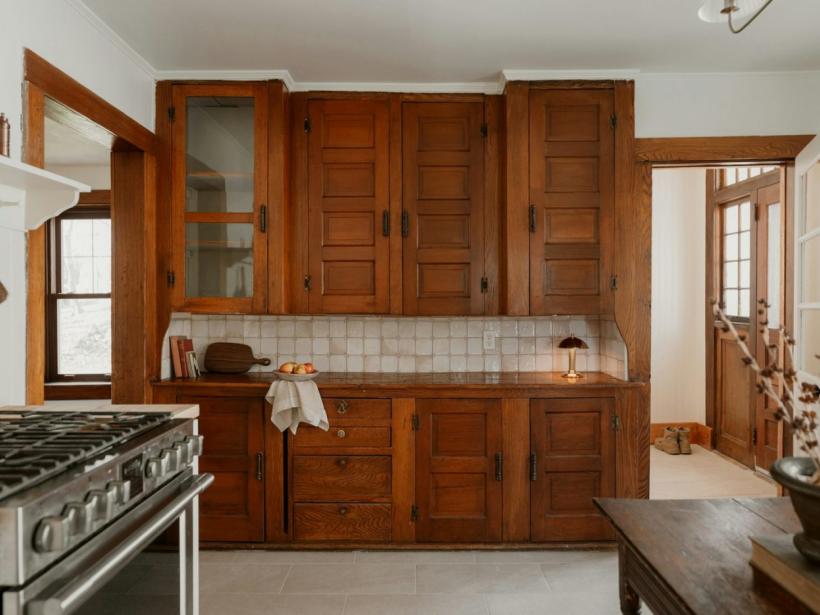
Photo: Clay Banks, Unsplash (Unsplash License)