
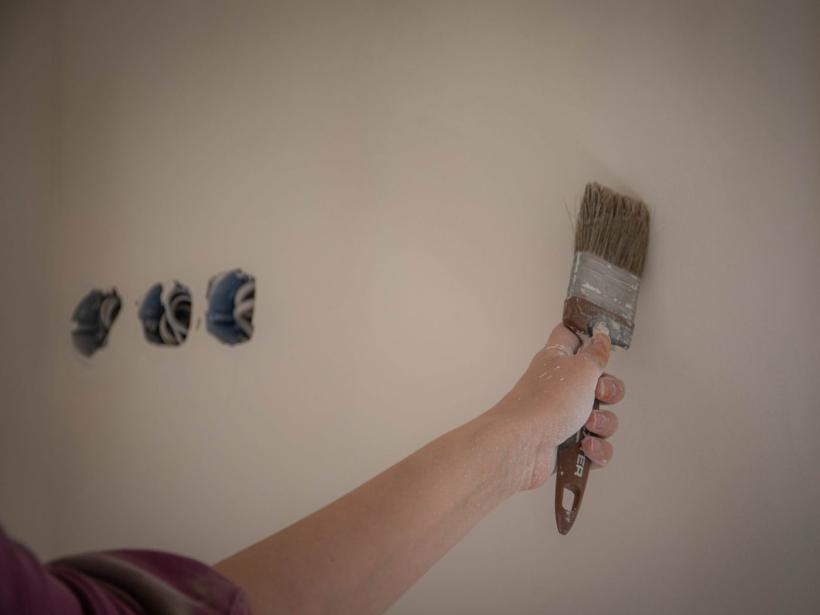
How long does water-based paint take to dry on walls?
Water-based paints, including acrylic and latex formulations, dry to the touch in 30 to 60 minutes under typical Australian indoor conditions. You can apply a second coat after about 2 to 4 hours, although full curing takes roughly 14 days. These times assume a room temperature of 20 to 25 degrees Celsius and moderate humidity, common in many Australian homes during spring and autumn.
Acrylic paint forms a skin quickly as water evaporates, but the deeper layers stay soft for weeks. Latex paint behaves similarly, though some trade formulations with higher solids content can feel dry sooner. In coastal areas such as Sydney or Brisbane, higher humidity can stretch the dry-to-touch window past the one-hour mark. Running a ceiling fan or opening windows on a dry day keeps air moving and shortens the wait between coats.
Four factors shift drying time the most:
- Room temperature. Below 15 degrees the paint film stays tacky longer, while hot, dry air above 30 degrees can cause the surface to skin over before the layer underneath has set.
- Relative humidity. Above 70 per cent humidity, common in northern Australia during the wet season, water leaves the film slowly and recoat time can double.
- Air movement. Cross-ventilation or a fan removes the humid air sitting near the wall surface and speeds up drying noticeably.
- Film thickness. A heavy coat laid on with a thick-nap roller holds more water and takes longer to dry than two thin coats applied with a short-nap roller.
How long does oil-based paint take to dry on walls?

Oil-based enamel paints take noticeably longer than water-based acrylics at every stage. In typical Australian indoor conditions, an oil-based wall paint is dry to the touch in 6 to 8 hours. You should wait a full 16 to 24 hours before applying a second coat. Full curing, when the film reaches its maximum hardness and chemical resistance, takes at least 7 days and can extend to 14 days in cool or damp weather.
Despite the long wait, many painters still choose oil-based enamel for interior trim, doors and architraves. It forms a hard, glass-smooth shell once cured. That finish resists knocks, scuffs and frequent cleaning far better than most water-based trim paints. On large wall surfaces, oil-based paint is less common now. The slow recoat time drags out the job and the solvent smell lingers for days.
Ventilation speeds up drying with these paints more than anything else. Opening windows and running a fan moves the solvent vapours away from the surface and lets each coat harden faster. In an unventilated room, the dry-to-touch time can easily stretch past 12 hours and the paint may stay tacky well into the second day.
Paint Drying Times Comparison Table
Matching the product to your timeline avoids rework, because different paints behave quite differently on Australian walls. The figures assume a room at 18 to 25 degrees Celsius and moderate humidity, which covers most coastal and inland homes for much of the year.
- Acrylic (water-based) wall paint dries to touch in 30 to 60 minutes. You can recoat after 2 to 4 hours. Full cure, where the film reaches its final hardness, takes about 7 days.
- Latex (water-based) paint, often labelled as washable interior acrylic latex, dries to touch in 1 hour. Recoat time is typically 4 hours. Full cure takes up to 7 days, though high-traffic areas benefit from a full week before scrubbing.
- Oil-based enamel dries to touch in 6 to 8 hours. Recoat time is 16 to 24 hours. Full cure is noticeably longer, often 7 to 14 days, because the solvent evaporation and oxidation process is slower.
- On a humid Brisbane afternoon or a damp Melbourne winter day without heating, all drying times can stretch by 50 percent or more. Running a fan and keeping windows slightly open helps water-based paints, but oil-based paints need consistent ventilation to carry solvent fumes away safely.
- If the wall surface is below 10 degrees, water-based paints can stay tacky for hours and oil-based paints may not cure properly at all. In unheated rooms during a cold snap, it is safer to postpone painting or use a low-temperature formulation.
- Two thin coats dry faster and more evenly than one thick coat, regardless of paint type. A heavy application traps solvent or water underneath a skin that forms on the surface, which leads to wrinkling and extended cure times.
What makes paint dry slower or faster on interior walls?

You can adjust most of the five main factors that control drying speed on interior walls while you work. Temperature, humidity, air movement, coat thickness and surface porosity all interact. Changing one often affects another.
On a mild day with good airflow, water-based paint can be ready to recoat in two hours. On a cold, damp day with still air, the same paint might still feel tacky after four hours. Oil-based paints are even more sensitive to these conditions.
- Temperature. Most paints dry best between 15°C and 25°C. Below 10°C, water-based paints slow dramatically and oil-based paints may not cure properly. In an unheated room in a Melbourne or Hobart winter, run a small fan heater for an hour before you start and keep it on while the paint dries, but never point it directly at a wet wall.
- Humidity. High humidity stops water from evaporating out of the paint film. On a humid Brisbane summer day or a rainy Sydney week, water-based paint can take twice as long to dry. Run a dehumidifier or air conditioner on dry mode, and avoid painting when relative humidity is above 70 percent.
- Air movement. Moving air carries moisture away from the wall surface. Open windows on opposite sides of the room to create a cross-breeze. A pedestal fan on low speed, set back from the wall and oscillating, speeds drying without blowing dust onto the fresh paint.
- Coat thickness. A thick, heavy coat traps solvent or water underneath a skin that forms on the surface. Two thin coats always dry faster and more evenly than one thick coat. Roll the paint out well and resist the urge to lay it on heavily to get coverage in one pass.
- Surface porosity. Bare plasterboard and old flat acrylic paint soak up moisture from new paint and speed drying noticeably. Glossy enamel or well-sealed surfaces hold the paint on top, so drying relies entirely on air conditions. On a glossy wall, a light sand and a primer coat give the new paint more grip and reduce the drying time of the next coat.
Can I sleep in a freshly painted room the same night?

If you have used a low-VOC or zero-VOC water-based acrylic paint, you can often sleep in the room the same night once the paint is dry to the touch and the smell has faded. The paint film will feel dry within an hour or two on a typical Australian day, but you still need to air the room thoroughly for at least two or three hours before closing the windows and settling in.
Oil-based paints are different. They release solvent fumes for many hours after the surface feels dry, and those fumes can cause headaches and throat irritation in an unventilated bedroom. With alkyd enamel or traditional oil paint, plan to sleep elsewhere for at least one night, and preferably two, while you keep a window ajar and a fan running during the day.
Ventilation makes the real difference. Open opposing windows and an external door to create a cross-breeze, and run a pedestal fan pointed outward to pull fumes away. If the room still has a noticeable chemical smell at bedtime, it is smarter to sleep in another room for the night, even with water-based paint. A dry surface does not automatically mean the air is fresh enough for hours of uninterrupted sleep.
How soon can I hang pictures or lean furniture against a painted wall?
Wait until the paint has fully cured before you hang pictures, lean furniture or place any object against the wall. Full cure is the stage when the paint film reaches its maximum hardness and adhesion, not just when it feels dry to the touch. If you press a shelf bracket or a picture frame against paint that is only touch-dry, the coating can stick, peel away or leave a permanent impression.
For water-based acrylic and latex paints, light contact like a cushion or a bedhead against the wall is usually safe after about two to three days. Any fixed pressure, such as a screw-mounted picture hook, a leaning mirror or a heavy bookcase, should wait at least two weeks in typical Australian indoor conditions. Oil-based enamels need longer. Allow at least three days for light contact and a full two to four weeks before you attach anything that applies concentrated load. High humidity or cool weather inside the house can stretch that timeline further.
If you are unsure, do a small test in an inconspicuous spot. Press a piece of masking tape firmly against the painted surface for a minute and peel it off slowly. If any paint lifts or the surface feels tacky, the coating has not cured enough for permanent contact.
Frequently asked questions
Is paint dry when it no longer feels tacky?
Paint that is dry to the touch has only reached the first stage. It may still be soft underneath and can be damaged by a second coat applied too soon or by pressing objects against it. Always follow the recoat time on the tin, not just the touch test.
Does opening windows really speed up wall paint drying?
Yes, moving air carries moisture away from the surface and helps all paint types dry faster. In humid coastal weather, however, opening windows can pull more moisture inside. If the outside air feels heavy, run a fan indoors instead.
How do I know when the paint has fully cured?
Full cure is not something you can see or feel. Water-based paints typically cure in 2 to 4 weeks, oil-based paints in up to a week or more. Until then, avoid scrubbing the wall, hanging heavy items or placing furniture hard against it.
Why does my freshly painted wall still smell after a day?
The smell comes from solvents and additives that evaporate as the paint cures. Water-based paints have a milder odour that usually fades within a day or two with good ventilation. Oil-based paints can smell for several days. Low-VOC and zero-VOC paints are the best choice if you want minimal odour.
Photo: Sergey Meshkov, Pexels (Pexels License)