
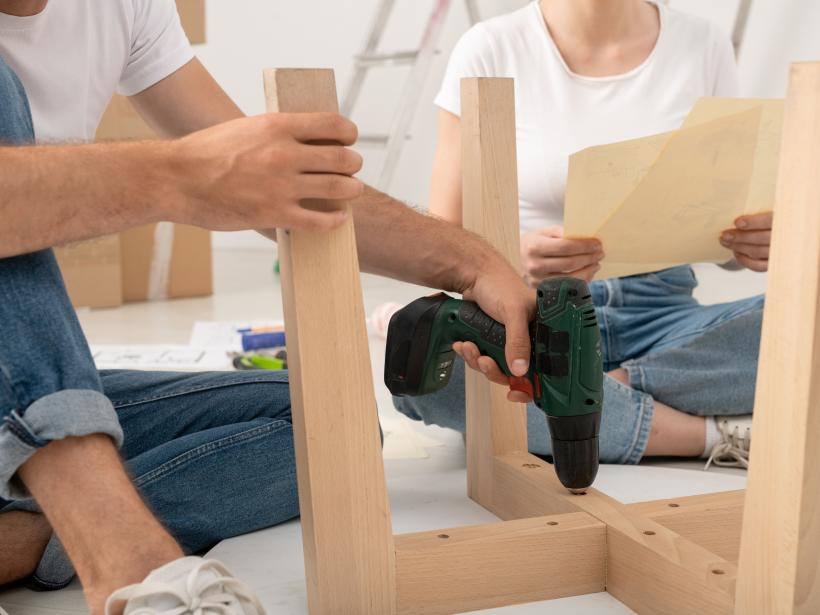

Building a coffee table might sound like one of those projects reserved for folks with endless free time and a woodshop in the backyard. But it doesn’t have to be that way. If you’ve ever thought about crafting something yourself — something solid, useful, and a bit personal — then figuring out how to build a coffee table should be on your radar.
First off, let’s ditch the idea that this is rocket science. It’s not. The basics boil down to a few good materials, some straightforward tools, and a bit of patience. A basic coffee table, especially if you’re a beginner, is a perfect way to get your hands dirty and feel like a maker without losing your mind. It’s the kind of DIY project that actually builds confidence — without turning your weekend into a disaster zone.
Getting Your Hands on the Right Stuff
No secret here: the foundation of any good project starts with the right wood and tools. It’s tempting to grab the fanciest timber in the store, but if you’re just starting, pine or spruce will do just fine; they’re easy to shape and forgiving when mistakes sneak in.
For tools, you don’t need a whole workshop. A saw — hand or power, your call — a drill, screws, and sandpaper cover the essentials. You’ll thank yourself later for having a decent tape measure and a square. Precision isn’t just for the pros — it saves headaches, wasted wood, and uneven tables.
And don’t overlook finishing touches. Paint or stain isn’t just decoration; it protects the wood from spills and scratches, helping your coffee table age gracefully.
How to Build a Basic Coffee Table without Losing Your Mind
This is where the rubber meets the road. Here’s a stripped-down version of how to build a basic coffee table that works:
- Cut your pieces: Aim for a tabletop about 40 inches by 20 inches. Legs around 16 inches give the perfect height without making you stoop.
- Assemble the frame: Connect the legs with support beams. Think of this like the skeleton; it needs to hold firm and keep things steady.
- Attach the top: Secure the tabletop to your frame, making sure it’s centered and flush.
- Sand and finish: Smooth every edge and surface before adding your paint or stain. This is where your table starts to shine.
Keep the process simple, but don’t rush. Sloppy assembly equals a wobbly table, and no one wants that.
Round Tables: Not Just for Fancy Cafés
Want to add a little flair? Learning how to build a round coffee table is a game changer. The curves soften the room and break the monotony of straight edges. Cutting a circle requires a bit more finesse — you’ll want a jigsaw or a circular saw, and steady hands.
Legs matter here more than ever. Either go for splayed legs that angle outwards or a single pedestal base. The trick is balance; a round tabletop demands stability in ways a rectangle doesn’t.
Smooth sanding around the edges is essential — rough curves can turn an elegant piece into a hazard.
Final Words on Building Your Own Table
How to build a coffee table isn’t just a phrase tossed around by weekend warriors; it’s a real chance to bring something tangible into your home that tells a story. The kind of hands-on work that turns your kitchen or living room into a space where your personality lives.
Stick with solid materials, measure twice, and take your time sanding. Whether you start with a basic rectangular design or dive into a round model, you’ll find the process rewarding in ways buying a ready-made table can’t touch. And remember: every little imperfection is part of the charm.