
What preparation does a timber fence need before painting?
Start by scrubbing the timber clean with a stiff bristle brush and warm soapy water to remove dirt, mildew and loose fibres. Rinse thoroughly with a garden hose on a gentle spray setting and let the fence dry for at least 24 hours of clear weather before you pick up a paintbrush. Any timber that feels damp will stop the paint from bonding, so waiting now can save you a full repaint later.
Once the boards are dry, sand any rough patches with 80-grit sandpaper to knock down splinters and give the surface a light key. Walk the whole fence line and check for popped nails, cracked palings or rot at the base of posts.
- Replace any split or soft palings with matching treated pine boards.
- Hammer protruding nail heads flush and sink any loose fixings deeper with a nail punch.
- Fill small cracks and old nail holes with a flexible exterior wood filler and sand smooth once it cures.
- Treat any grey weathered timber with a timber cleaner and brightener to restore the surface before coating.
- Sweep away all sanding dust with a soft broom so it does not settle in the wet paint.
- Mask off gate hinges, latches and adjoining brickwork with painter's tape and drop sheets.
If you are painting over bare timber, apply one coat of an oil-based primer first to seal the tannins. For previously painted fences that are sound, a thorough clean and light sand is usually all the prep required.
Which paint is best for a timber fence?
Water-based acrylic fence paint suits most Australian hardwood and treated-pine fences. It soaks into the timber fibres, lets the wood breathe and resists peeling far better than old-style oil paints. Acrylics also have little smell, dry within a couple of hours and clean up with just soap and water.
Oil-based stains and paints still work well on dense hardwoods such as ironbark or on fences already coated with oil. They penetrate deeply and give a rich, long-lasting colour, but they take a full day to dry and you will need mineral turps for cleaning brushes. Never put water-based paint straight over an old oil coat without sanding and priming first, or it will flake off within a season.
- Use water-based acrylic for treated pine, cypress and most common hardwoods.
- Choose an oil-based stain for dense, oily timbers or recoating an existing oil finish.
- Pick a combined paint-and-primer product if the timber is bare and weathered.
- Avoid cheap fence paints that sit on the surface like a plastic skin.
- Match the sheen to your street appeal goal: low-sheen hides flaws, gloss highlights grain.
How do you apply fence paint evenly?
Start on a dry day with no rain forecast for at least 24 hours and a temperature between 10°C and 30°C. Painting in direct hot sun dries the paint too fast and leaves lap marks, so work in the shade or wait for an overcast morning. Stir the paint thoroughly before you begin and every 20 minutes while you work.
A wide 100 mm fence brush gives you the most control and pushes the paint into the grain. Work from the top of each paling down to avoid drips running over dry sections. Load the brush lightly, apply in long even strokes along the timber grain and feather out the edges before they skin over. For flat-topped palings, brush the top edge first so runs blend into the face coat.
A short-nap roller speeds up coverage on flat surfaces but you still need a brush to push paint into gaps and end grain. If you use an airless sprayer, back-brush immediately after spraying. The sprayer lays the paint on the surface but a brush works it into the wood fibres. Without back-brushing, the coating sits on top and peels sooner.
How long does a painted fence last before it needs repainting?
A well-painted timber fence in an Australian garden typically needs repainting every 3 to 5 years for acrylic paint and 5 to 8 years for a quality oil-based stain. The lifespan depends more on how much direct sun and rain the fence catches than on the product alone. A north-facing or west-facing fence in full sun will break down the coating faster than a shaded one, so you may need to repaint the sunny side a year or two before the rest.
Regular cleaning matters more than most people realise. Dirt and mould hold moisture against the timber, which lifts the paint film from underneath. A quick rinse with the garden hose every six months and a gentle scrub with soapy water once a year can add two or three extra years before the next full repaint. If you see the colour starting to look chalky when you run your hand over it, the top layer is wearing thin but the timber underneath is still protected. That is the right time to plan the next coat, not when the timber is already grey and cracked.
What safety gear should you wear when painting a fence?
Painting a fence is straightforward, but old paint dust and fresh coatings call for sensible protection. You need gear that protects your lungs, eyes and skin from the start of prep work until the final brush stroke.
If you are sanding timber painted before 1970, treat the dust as potentially hazardous. Damp down the area and wear a P2 respirator, not just a paper dust mask. Modern water-based paints contain few solvents, but solvent-based products still release vapours that irritate the throat on a still day.
- A P2 or N95 respirator for sanding, especially when removing old paint.
- Safety glasses or a full-face shield to stop flying chips from a pressure washer or sander.
- Earplugs or earmuffs if you use a power sander or a spray gun for more than a few minutes.
- Long sleeves, trousers and nitrile gloves to keep paint and splinters off your skin.
- A broad-brim hat and sunscreen when working in full sun, even in cooler months.
- Enclosed, non-slip footwear that you do not mind staining permanently.
Keep a bucket of clean water and a cloth nearby so you can rinse paint off your skin before it cures. If you are spraying, add a disposable coverall and a wide painter’s hat to stop fine mist settling in your hair.
Can you paint over an old painted fence?
Yes, you can paint over an old painted fence if the existing coating is sound, clean and well-adhered. The new paint bonds to the old layer, so any peeling or flaking must be scraped off first. If the original paint is chalky, a quick wash with sugar soap and a rinse will help the new coat grip.
Strip back to bare timber only when the old paint is cracked all over, blistered or applied so thickly that it hides the wood grain and traps moisture. In those cases, sanding or using a paint scraper is the only way to stop the new finish from failing early. Spot-prime any bare patches with an exterior timber primer before you start the main coat.
- Scrape off loose, flaking paint with a stiff scraper.
- Sand the edges of remaining paint so they feather smoothly into the bare wood.
- Wash the whole fence with sugar soap, then rinse with clean water.
- Let the timber dry completely before opening the paint tin.
- Apply one or two coats of a compatible exterior fence paint or stain.
Frequently asked questions
Do I need to prime a timber fence before painting?
Bare timber usually needs a primer to seal the surface and help the topcoat stick. If you are using a self-priming fence paint, check the label because many are designed to go straight onto clean, bare wood.
What is the best time of year to paint a fence in Australia?
A dry spell in autumn or spring is ideal. You want mild temperatures and low humidity so the paint cures properly. Avoid painting in direct summer sun or when rain is forecast within 24 hours.
How do I stop paint from dripping onto the neighbour’s side?
Slide a thin sheet of cardboard or a paint shield between the palings as you work. If the fence is on the boundary, a quick chat with the neighbour beforehand can also help you access the other side for a cleaner finish.
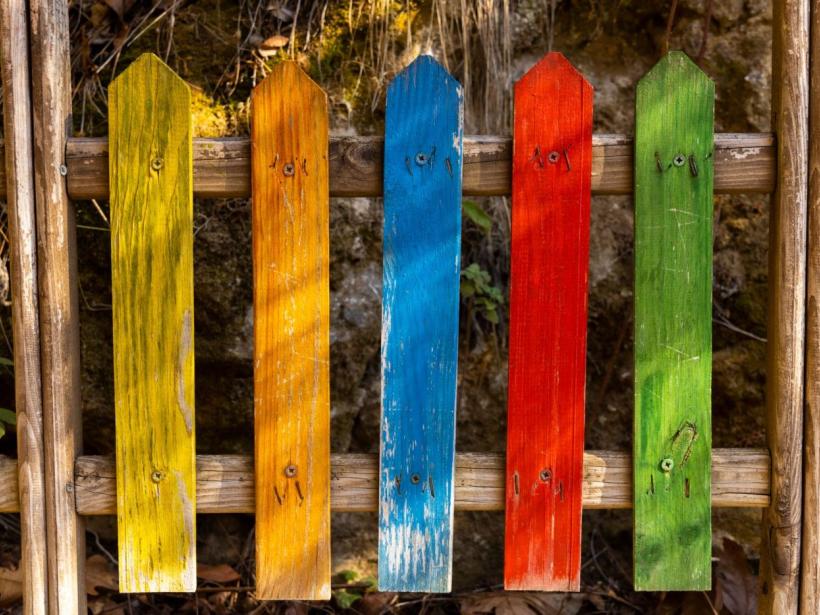
Photo: Engin Akyurt, Pexels (Pexels License)