
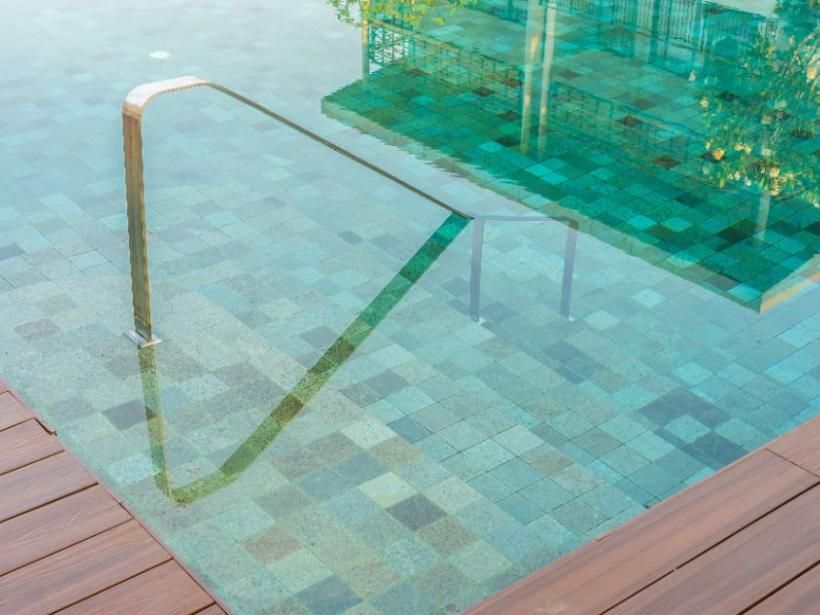

Renovating your swimming pool is a smart way to breathe new life into your outdoor space. Whether you’re looking for a swimming pool refurbishment, need swimming pool repairs, or considering a complete swimming pool rebuild, knowing how to approach the job will help you make the right decisions. The process isn’t as overwhelming as it seems once you break it down into manageable steps.
What’s the First Step in Renovating Your Swimming Pool?
Before diving into the renovation itself, you need to assess your pool’s current condition. Pool repairs or a full swimming pool rebuild depend on how much damage your pool has sustained. Inspecting for cracks, leaks, or outdated equipment should be your top priority.
Key things to inspect:
- Cracks and leaks: These could indicate structural damage, which needs immediate attention.
- Old equipment: Check the condition of pumps, filters, and heaters. Aging equipment could raise your utility bills and decrease efficiency.
- Aesthetic issues: If the pool’s look doesn’t fit your style, consider resurfacing or updating the tile design.
Identifying these problems upfront allows you to plan for the best solutions – whether that’s simple repairs or a more extensive overhaul.
How Do You Know Whether to Repair or Refurbish Your Pool?
Not all pools need a full-scale renovation. Sometimes, swimming pool repairs are enough to make the space functional again. But when does a simple fix become a major renovation?
When repair might be enough:
- Minor cracks or leaks that can be patched up.
- Equipment like pumps or filters showing signs of wear but not fully broken.
- Cosmetic issues that don't affect the pool's overall functionality.
When to consider a full refurbishment:
- The pool’s surface is cracked, peeling, or discolored.
- The pool layout no longer suits your needs.
- You want to modernize the look of the pool with updated tile, decking, or landscaping.
Knowing the difference between minor repairs and a full swimming pool refurbishment can save you money. It helps you avoid unnecessary costs while still addressing the pool's essential needs.
How Can an Indoor Pool Benefit from Renovation?
Indoor pools offer unique advantages like being usable year-round, but they still need attention. An indoor pool renovation can improve the overall experience and efficiency of the space.
Key benefits of renovating an indoor pool:
- Energy savings: Upgrading heating and ventilation systems can significantly lower operating costs.
- Updated design: Modernizing the pool’s appearance can make the space feel luxurious without changing its structure.
- Increased property value: Renovated indoor pools can raise the value of your home, especially if you add high-end features like a spa or custom lighting.
An indoor pool renovation doesn’t only enhance functionality – it can completely transform your space into a more relaxing environment.
When Is It Time for a Complete Swimming Pool Rebuild?
Sometimes, it’s easier and more cost-effective to start fresh. A swimming pool rebuild may be the best option if repairs won’t solve the issues or if the pool is too outdated to fix.
Consider rebuilding if:
- Your pool has deep structural damage that can’t be repaired.
- The cost of fixing the pool exceeds the cost of building a new one.
- You want to change the design or layout entirely.
A swimming pool rebuild gives you the freedom to create a pool that better suits your style and needs. It may feel like a bigger investment upfront, but it can be a long-term solution that’s more cost-effective in the end.
How to Budget for Your Swimming Pool Renovation?
One of the most important aspects of pool renovation is budgeting. Whether you’re doing swimming pool repairs or a complete rebuild, knowing your costs ahead of time will help you plan accordingly.
Here’s how to manage your budget:
- Get multiple quotes: Consult with pool contractors and get a variety of price estimates.
- Prioritize repairs: Make sure to address structural issues or essential equipment updates before focusing on aesthetics.
- Set aside a contingency fund: It’s always smart to have extra funds in case something unexpected pops up during the renovation process.
Proper budgeting ensures that your renovation stays within your financial limits while still achieving the results you want.
Conclusion: What’s the Best Approach for Your Swimming Pool?
Whether you’re interested in swimming pool refurbishment, repair, or a complete rebuild, the key to success is making informed decisions. Assess your pool’s condition, set a realistic budget, and consult professionals when needed. A thoughtful renovation will improve the pool’s appearance and function, creating a space you can enjoy for years to come.
By taking it step by step and focusing on what matters most, you’ll have the pool you’ve always wanted, without any of the stress that can come with a big project.