
How do I know if my paint has gone off?
You can spot paint that has gone off by a few clear signs before you even open the tin fully. Look for a foul odour, a texture that will not smooth out, and permanent separation of the ingredients.
Fresh paint has a mild chemical or earthy smell that disappears as it dries. Expired paint often develops a strong sour or rotten egg stench caused by bacteria feeding on the binders and thickeners. If the smell makes you recoil when you lift the lid, the paint is no longer usable.
- Sniff the tin immediately after opening it to catch any sour, putrid or ammonia-like odour.
- Prod the surface and the bottom of the tin with a clean stirring stick to feel for hard, rubbery lumps.
- Stir thoroughly for two minutes and pull the stick out to check whether the lumps break down or stay solid.
- Look at the liquid layer on top after stirring: if it stays thin and watery instead of blending in, the emulsion has broken.
- Pour a small amount through a mesh strainer to confirm whether gritty bits or skins remain.
- Check the rim and underside of the lid for rust flakes that may have fallen into the paint during storage.
Hard lumps that do not dissolve and a watery layer that refuses to mix back in mean the binders have failed. At that point the paint cannot form a durable film, so it will cure patchy or peel soon after you apply it.
What is the shelf life of different types of paint?

An unopened tin of water-based acrylic paint, kept in a cool, dry spot away from direct sun, typically lasts up to 10 years. Once you break the seal, the shelf life drops to about 2 to 5 years because air and bacteria get in. Oil-based enamel paints are more forgiving. An unopened tin can sit for up to 15 years, and even after opening you might get a good 5 to 10 years out of it if you clean the rim, replace the lid tightly and store the tin upside down to create an airtight seal.
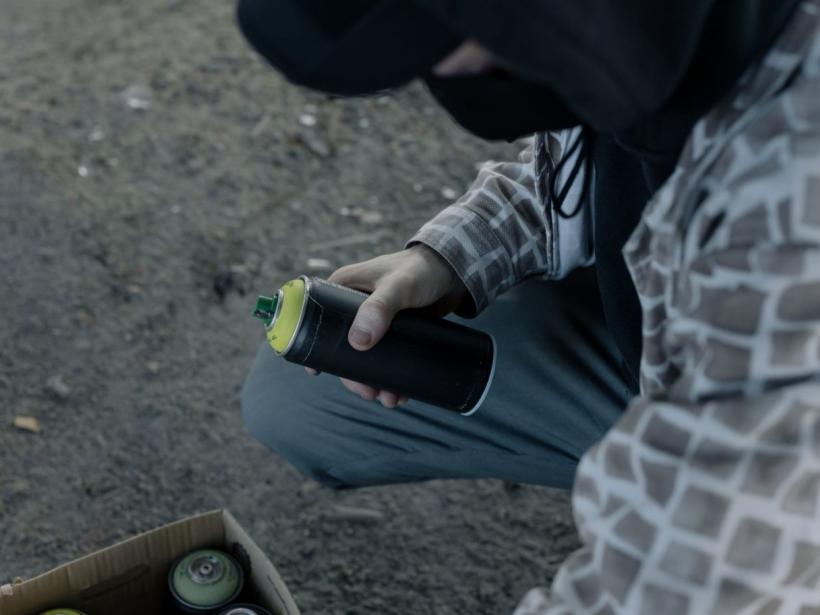
Specialty products like chalk paint, milk paint and spray paint have shorter windows. An unopened aerosol can is generally reliable for 2 to 3 years, after which the propellant can degrade and the nozzle may clog. Chalk and milk paints, particularly those with natural binders, are best used within a year of opening. Always check the manufacturer's date stamp on the bottom of the tin if you need a precise guide.
- Water-based acrylic, unopened: up to 10 years
- Water-based acrylic, opened: 2 to 5 years
- Oil-based enamel, unopened: up to 15 years
- Oil-based enamel, opened: 5 to 10 years with careful storage
- Spray paint, unopened: 2 to 3 years
- Chalk and milk paint, opened: use within 12 months
How should I test old paint before using it?
Testing old paint takes about ten minutes and will save you the headache of a ruined finish. Work in a well-ventilated spot, preferably outdoors, and wear gloves to keep your hands clean. You are checking whether the paint still mixes smoothly, smells normal and goes on evenly.
Follow these steps in order before you commit to painting a wall or a piece of furniture:
- Open the tin carefully with a flat tool, not a screwdriver that can bend the rim and stop the lid sealing later.
- Smell the paint. A sharp, sour or rotten egg odour means bacteria have spoiled it and you should stop right there.
- Stir the paint thoroughly for at least two minutes with a clean flat paddle or stick, scraping the bottom and sides to lift any settled solids.
- Check the consistency as you lift the stirrer. The paint should flow off in a smooth, even ribbon without lumps, strings or a cottage cheese texture.
- Brush a test patch onto a piece of cardboard, plasterboard offcut or scrap timber and let it dry fully. Look for poor adhesion, grittiness or a tacky surface that never hardens.
What are the risks of using expired paint?

Paint that has gone off often loses its ability to bond properly with the surface. You may notice the fresh coat peeling away in sheets within weeks, or it might feel tacky long after a normal drying time. This happens because the resins that provide adhesion break down once the shelf life has passed.
Even if the paint looks fine in the tin, it can dry with a patchy or uneven sheen that leaves your walls looking streaky. A sour, lingering odour that never fully disappears is another common problem, forcing you to air out rooms far longer than expected. If you store an opened tin in a damp shed, moisture can get inside and encourage mould spores to grow. You then spread those spores across your clean surface with every brush stroke.
- Poor adhesion causes the new coat to peel or flake off soon after application.
- Uneven sheen creates a patchy or streaky look that catches the light.
- Visible brush marks and roller texture remain because the paint cannot level out.
- A strong, sour smell persists for days or weeks after the paint has dried.
- Mould spores inside the tin can contaminate your walls or furniture.
Can I still use paint that has separated?

Separation in stored paint is normal, especially in tins that have sat untouched for months. A clear or slightly coloured liquid on top with pigment settled at the bottom is just the components parting ways. If you can stir the paint back to a uniform, smooth consistency with no lumps or graininess, it is still usable.
Permanent separation is a different problem entirely. When you stir and the paint stays lumpy, stringy or feels like cottage cheese, the binder has broken down and will not recombine. You might also notice a hard rubbery skin on the surface that breaks into pieces rather than dissolving back in. That paint has failed and will not level or adhere properly on your wall or furniture.
For a quick test, lift the stir stick and watch how the paint runs off. Good paint flows off in an even sheet. Paint with a broken binder drips in globs or separates again within a minute of stirring. If you see that, the tin is only fit for disposal.
How should I dispose of paint I cannot use?
Paint that has truly gone off needs careful disposal, because pouring it down the drain or into the garden contaminates waterways and soil. The method depends on whether the paint is water-based or oil-based, and how much you have left. Never put liquid paint in your household rubbish bin. It can spill and cause problems for waste collection crews.
Water-based paints, including acrylics, are the easiest to deal with at home. For small amounts, you can dry the paint out completely and then put the solid residue in your red-lidded rubbish bin. Oil-based paints and any solvents are classified as household hazardous waste and must never go in any kerbside bin. Take these to a dedicated drop-off facility.
- Remove the lid and let small quantities of water-based paint dry out naturally in a well-ventilated spot away from children and pets.
- Speed up drying by mixing in cat litter, sawdust or a commercial paint hardener until the mixture becomes a crumbly solid.
- Once the paint is fully solid and no liquid remains, place the open tin in your red-lidded rubbish bin.
- Keep oil-based paint, varnishes and turps in their original labelled containers and take them to a free council household chemical collection day or a permanent drop-off centre.
- Search for your closest facility through your local council website or the Paintback program, which accepts up to 100 litres of unwanted paint per visit.
- Never tip paint onto the ground, into a stormwater drain or into a septic system, as it harms the environment and is illegal across Australia.
If the paint is still usable but you simply do not need it, offer it to a community theatre group, a school art department or a neighbour. That is a better outcome than disposal.
Frequently asked questions
Does unopened paint expire?
Unopened paint lasts longer than a tin that has been opened, but it still has a shelf life. Water-based acrylic typically lasts up to 10 years unopened, while oil-based enamel can last up to 15 years if stored in a cool, dry place away from direct sun.
Can I use old paint on furniture?
You can, but furniture takes more wear than walls, so the paint needs to bond well. Test the old paint on a hidden spot first. If it dries soft, chalks off on your hand or stays tacky after a day, do not use it on furniture.
Why does my old paint smell like rotten eggs?
A sour or rotten egg smell means bacteria have grown inside the tin. This happens more often with water-based paints, especially if the tin was stored in a hot shed. Paint with this smell should not be used, as the odour can linger for weeks after it dries.
Can I mix old paint with new paint to use it up?
Only if the old paint passes all the freshness tests first. Strain it through a paint strainer or an old stocking to catch any lumps, then mix it into a larger volume of fresh paint of the same type and colour. Never mix water-based and oil-based paints together.
Photo: cottonbro studio, Pexels (Pexels License)