


To hang a heavy mirror safely, fix it into a timber stud or use fixings rated well above its weight for your wall type, use two fixing points, and check the position with a spirit level. The job takes about an hour and needs a drill, a detector and a helper. The right fixing depends on the wall, so work that out first.
Safety first
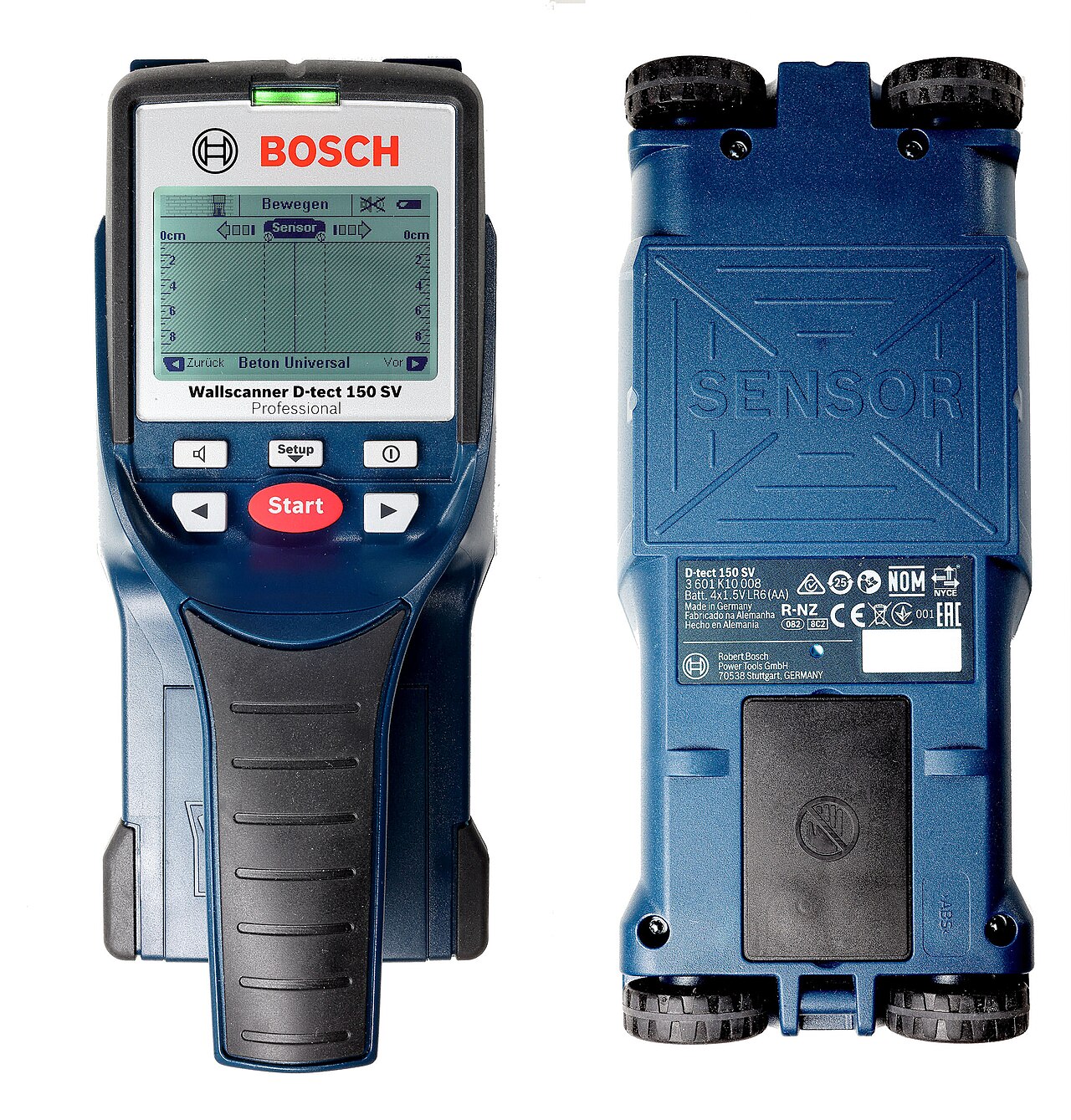
Before you drill, scan the wall for hidden services. Pipes and cables often run vertically from power points and switches, so avoid drilling directly above or below them. Wear eye protection and a dust mask, and get a second person to help lift the mirror. If your home was built before the mid-1990s and the wall looks like fibro sheeting, do not drill it. It may contain asbestos, so have it tested by a licensed professional first. If you are unsure about wiring in the area, ask a licensed electrician before drilling.

Fixings by wall type
| Wall type | Suitable fixing | Notes |
|---|---|---|
| Plasterboard over timber stud | Screws or hanger screws driven into the stud | Studs are typically 450 mm or 600 mm apart. Use fixings long enough to pass through the plasterboard and bite well into the timber. |
| Hollow plasterboard, no stud | Heavy-duty hollow-wall or toggle anchors | Check the load rating on the pack. Plain plastic plugs are not enough for a heavy mirror. |
| Brick | Masonry bit, wall plugs and matching screws | Drill into the brick rather than the mortar joint where you can. |
| Concrete or concrete block | Masonry bit, hammer action, screw bolts or sleeve anchors | Drill to the depth the anchor maker specifies and clear the dust from the hole. |
| Tiled wall | Tile bit, then masonry plugs behind the tile | Drill slowly without hammer action to avoid cracking the tile. |
If you have ever pulled a plug out of masonry, our article on removing wall anchors without ruining the wall shows how to deal with the old holes.
Materials and tools
- Stud and cable detector
- Drill and bits to suit the wall
- Screws and anchors rated well above the mirror weight
- Two mirror hangers or a heavy-duty hanging bracket or rail
- Spirit level, pencil, tape measure and masking tape
- Eye protection and dust mask
Step-by-step installation
- Weigh the mirror or check its listed weight, then confirm each fixing is rated for more than that load.
- Decide on the height. The centre of the mirror is usually placed around 145 cm from the floor.
- Mark the hook or bracket positions on the back of the mirror, then measure the same distances on the wall.
- Run the detector across the area, mark any studs and check for pipes or cables.
- Stick masking tape on the wall, mark your drill points and check them with the spirit level.
- Drill pilot holes. Fix into a stud where you can, or fit the correct anchors.
- Screw in the hangers or brackets, firm and level.
- With a helper, lift the mirror onto the fixings and confirm it sits securely.
- Place the spirit level on top of the frame and adjust until the bubble is centred, then give the mirror a gentle tug.
What not to do
- Do not use adhesive hooks, a single nail or picture wire alone for a heavy mirror.
- Do not trust plastic plugs in hollow plasterboard.
- Do not guess the weight. A slim frame with thick glass can still be very heavy.
- Do not drill without scanning first, especially near switches and power points.
- Think twice before hanging a heavy mirror directly above a bed or cot.
If the wall has damaged plaster from earlier holes, patch it first using our guide on how to plaster walls. For other wall-mounted projects, our guide to installing floating shelves uses many of the same techniques.
FAQ
Do I have to hit a stud to hang a heavy mirror?
Not always. A stud gives the strongest fixing, but heavy-duty hollow-wall anchors rated well above the mirror weight can work on plasterboard.
How high should I hang a mirror?
Around 145 cm from the floor to the centre of the mirror suits most eye levels. Adjust for a mirror over furniture.
How many fixings does a heavy mirror need?
At least two, so the load is shared. Very wide or very heavy mirrors may need more, or a rail along the back.
Can I hang a heavy mirror without drilling?
Not safely. If you do not want to drill, lean a floor mirror against the wall and secure it with an anti-tip bracket.