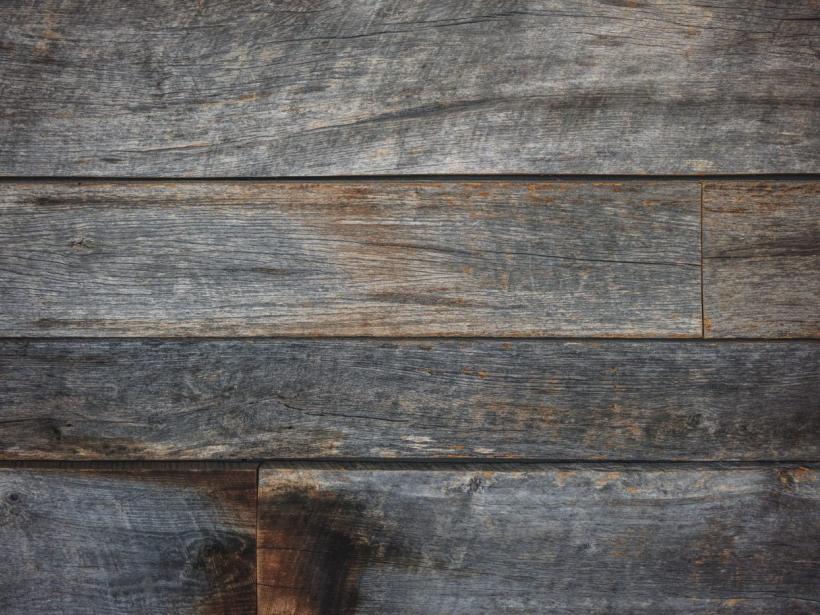
What should I check before reusing old timber?
Start every inspection by looking for structural damage that compromises strength. Rot often appears as dark, crumbly patches that flake away when you push a screwdriver into the timber, and it usually develops where the wood stayed damp for a long time. Termite damage leaves narrow mud tunnels on the surface and hollowed-out sections underneath, so tap the board with a hammer and listen for a dull, empty sound instead of a solid ring.
Hidden metal is the next hazard you need to find before any cutting begins. Run a strong magnet over every face of the board to locate broken-off nails, screws and staples that will wreck planer blades and saw teeth. Pay extra attention near the ends and edges, where fixings are most common, and mark each find with chalk so you can pull it out with pincers.
Chemical treatments leave telltale signs you should not ignore, especially on timber from old fences, retaining walls or industrial buildings. Look for a greenish or bluish tint from copper-based preservatives, a sticky black coating from creosote, or a faint bleachy smell that suggests it was stored near farm chemicals. Every piece should pass these four checks before it goes near your project.
- Push a screwdriver into several spots to confirm the wood is firm and free of rot.
- Tap along the whole length with a hammer and listen for hollow, termite-damaged areas.
- Sweep every surface with a magnet to find hidden nails, screws and staples.
- Inspect the colour and smell for signs of old chemical preservatives or pesticide exposure.
How do I know if old bricks are still strong enough?

Start with a visual check. A brick with deep cracks, rounded edges or a soft, powdery surface has already lost its structural integrity. Tap two bricks together gently: a clear ring means the brick is dense and sound, a dull thud points to internal fractures or excessive porosity.
Spalling is the most common failure you will see. It shows up as flaking or peeling faces where water has soaked in and expanded. A spalled brick can still work as a decorative cladding or garden edging, but never use it in a load-bearing wall or a pier.
Salt damp appears as a white, crystalline bloom that does not brush off easily. It means salts have crystallised inside the brick, slowly breaking the clay bonds. If the brick crumbles when you scrape it with a screwdriver, it is too weak for anything structural. Reserve these bricks for non-structural features like planter boxes or paving set on a compacted sand base.
Can I reuse old plumbing pipes and fittings?
Some salvaged plumbing can be reused for non-potable applications like garden irrigation, but you should never put old pipes back into a drinking water or gas system unless you can positively identify the material and its condition. The main risks are toxic metals, internal corrosion you cannot see and brittle plastics that will crack under pressure.
A quick visual check tells you a lot. Run a magnet over metal pipes, scratch the surface with a screwdriver and look at the colour of the scratch. Here is what to look for:
- Lead pipes are dull grey, soft enough to scratch easily with a key and reveal a shiny silver streak underneath. They are toxic and must never carry drinking water.
- Galvanised steel pipes attract a magnet and often show heavy rust around the threads. Inside, decades of mineral buildup and corrosion reduce water flow and can leach iron and zinc into the water.
- Copper pipes with green or white crusty deposits have internal pitting. Even if they hold pressure now, thin walls will develop pinhole leaks soon after you reconnect them.
- Old PVC or polybutylene pipes that have turned grey, chalky or brittle from UV exposure will crack when cut or clamped. Polybutylene in particular is known for sudden failure and should be replaced entirely.
- Brass fittings made before the mid-1990s may contain lead in the alloy. Unless stamped with a lead-free mark, reserve them for non-drinking water lines only.
If you still want to use a salvaged copper or brass piece for a low-pressure garden line, scrub the inside with a bottle brush and flush it thoroughly. Any fitting that shows deep pitting, cracks or a white powdery residue when dried should go to the scrap metal bin.
How do I test for lead paint on salvaged timber?

DIY lead test kits from the hardware store give you an answer in minutes. Most use a small swab or liquid that changes colour when it touches lead, usually turning pink or red. Snip the swab, squeeze the liquid onto the timber and wait the time stated on the packet. Test a few spots, especially the deeper layers you expose by cutting a shallow notch with a knife, because lead often hides under newer coats of paint.
A positive result does not mean you must discard the board, but it does change how you handle it. Sanding and dry scraping throw lead dust into the air you breathe, so those methods are out. If you choose to strip the paint yourself, wet the surface first and use a chemical stripper, then scrape the softened paint into a sealed bag while wearing a P2 respirator and disposable coveralls.
Call a professional lead assessor when the timber is from a pre-1970 house and the kit shows a strong reaction across a large area, or when the piece is too ornate to strip safely at home. A licensed contractor can remove the paint with specialised extraction gear.
What does asbestos look like on old building materials?

Asbestos in pre-1990 Australian homes is rarely obvious. The fibres were mixed into cement sheeting, so the material looks like flat, grey or chalky-white board, often with a dimpled or golf-ball texture on one side. You cannot see the individual fibres with the naked eye, so visual identification alone is never enough.
Common places to find bonded asbestos include internal wet-area walls and ceilings, eaves linings, corrugated roofing and flue pipes. Older vinyl floor tiles and their black bituminous adhesive can also contain it. Loose-fill insulation in some mid-century Canberra homes is another risk, though less common nationwide.
Never sand, saw, drill or break a suspect sheet. Disturbing the material releases fine fibres that lodge deep in the lungs. If a board is cracked, frayed at the edge or has a dusty surface, treat it as unsafe, damp it down gently and call a licensed asbestos assessor before you touch it again.
How should I clean and store reclaimed materials safely?
Start by removing loose dirt and debris with a stiff-bristle brush or a dry scraper. For timber that has surface mould, scrub it with warm soapy water and a firm brush, then rinse with a damp cloth. Avoid soaking the wood, as too much moisture can cause warping or cracking before you even start your project.
Bricks and masonry can be cleaned by knocking off old mortar with a brick hammer and brushing away dust. If you suspect pests such as borers in timber, isolate those pieces immediately and inspect the exit holes. Small infestations can be treated by wrapping the wood in black plastic and leaving it in full sun for several days, as the heat will kill most insects without chemicals.
Storage is just as important as cleaning. Keep all reclaimed materials off the ground on pallets or timber bearers so air can circulate underneath. Cover the stack with a tarp that overhangs the sides but leave the ends open for ventilation. A dry, covered area such as a carport or shed is ideal. Follow these rules:
- Store timber flat with spacer sticks between each layer to prevent bowing.
- Stack bricks on a level, well-drained surface and never more than two pallets high.
- Keep metal pipes and fittings in a clearly labelled bin away from moisture to stop surface rust.
- Cover materials loosely with a breathable tarp rather than tight plastic, which traps condensation.
- Place the heaviest items at the bottom of the stack to stop lighter pieces from shifting.
- Label each batch with the date cleaned and the room it came from so you can track its history.
Frequently asked questions
Is it legal to reuse old building materials in Australia?
Yes, in most cases you can reuse salvaged materials on your own property. Structural elements like beams or lintels must still meet the National Construction Code, so have them checked by a building certifier or structural engineer before you rely on them.
Can I use old timber for a veggie garden bed?
Only if you are certain the timber has never been treated with copper chrome arsenate (CCA) or painted with lead paint. Untreated hardwood sleepers are generally safe. If you cannot identify the treatment, line the inside of the bed with builder's plastic to stop anything leaching into the soil.
How can I tell if a pipe is lead?
Scratch the surface gently with a coin. Lead is soft and shows a shiny silver-grey scratch. A magnet will not stick to lead. If you find lead pipes anywhere in your plumbing, replace them. Do not try to cut or unscrew them yourself if you are not trained in lead-safe work practices.
Photo: Tim Mossholder, Pexels (Pexels License)