
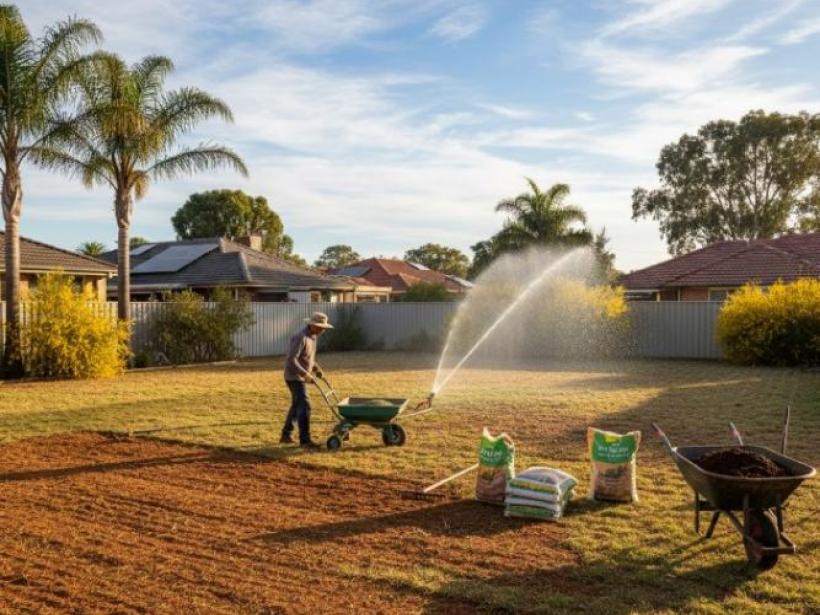

Waking up to a garden that resembles a post-apocalyptic wasteland is a rite of passage for anyone who owns a patch of dirt. The winter frost retreats, leaving behind a brown, matted mess that looks more like a desert than a suburban sanctuary. If you’re searching for effective renovation ideas to bring back that emerald carpet, you can’t just throw seeds at the ground and pray for rain. Proper restoration requires a bit of sweat, smart planning, and a sharp strategy.
Why Bother Rebuilding Your Turf Right Now?
The window for success is narrow. Soil temperatures are finally hitting that sweet spot where seeds actually feel like waking up. If you wait for the scorching sun of July, your young grass will fry before it even says hello. Spring provides that natural cocktail of drizzle and mild warmth that makes the biology of your backyard hum.
A thick lawn serves as the best defense against invaders. Every bare patch in your yard is an open invitation for weeds to set up a permanent residency. By acting today, you ensure the desirable blades dominate the territory before the prickly stuff takes root.
Steps for a Total Surface Overhaul
Getting your hands dirty is the only way forward. You need to strip away the dead weight before you can introduce new life. Thatch – that thick layer of organic debris – acts like a waterproof coat for your soil, and you need to rip it off.
- Scraping the Surface: Use a heavy rake to pull up the dead brown gunk so the soil can actually breathe.
- Opening the Earth: Punching holes into the ground allows nutrients to bypass the surface and hit the roots directly.
- Spreading the Wealth: Scatter high-quality seeds across the thin areas to build a wall of green.
Watering isn't a "once a week" hobby during this phase. Those tiny green shoots are incredibly fragile. You want to keep the top layer moist enough that it feels like a wrung-out sponge, ensuring the germinating life doesn't dehydrate and die.
Strategies for Professional Results
Buying the cheapest bag of seed at the big-box store is a recipe for regret. You need to match the species to your specific environment. Some grasses love to bake in the sun, while others prefer the cool shadows of a perimeter fence. If you pick the wrong one, you’re just feeding the birds.
Compacted soil is a silent killer for suburban greenery. When the dirt is too tight, roots can't expand, and they eventually suffocate. Think of aeration as giving your yard a much-needed lung transplant. It’s a bit messy, leaving little dirt plugs everywhere, but it’s the most effective way to jumpstart a stagnant ecosystem.
Feeding the New Growth
Once you see that faint green haze, resist the urge to mow it down immediately. Let the new residents get comfortable. Cutting them too early is a traumatic experience for a plant that hasn't even established a solid foundation.
Wait until the height is substantial before the first trim. Use a sharp blade to avoid tearing the grass, which can lead to disease. A little bit of balanced food at this stage acts as a high-protein shake for your lawn, pushing it toward that deep, enviable color.