
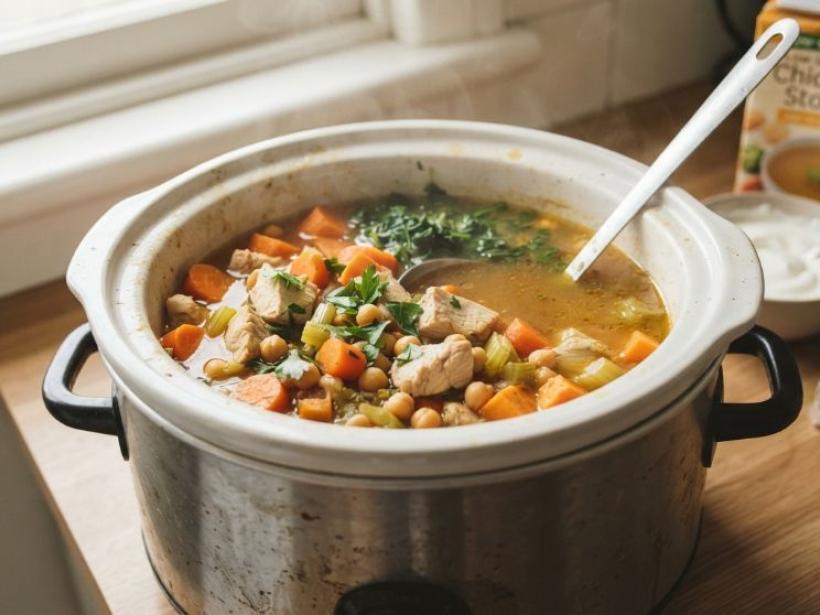

A crock pot doesn't make a meal healthy on its own. It's a low-heat, slow-cooking appliance, nothing more. The same crock pot that turns out a lean chicken and vegetable stew will just as happily turn out a pot of pulled pork drowning in barbecue sauce. What separates one from the other is the protein you choose, how much fat gets trimmed before it goes in, and what you use to build the sauce.
Key takeaways:
- The crock pot itself is neutral. Ingredient choices and portions do the actual work.
- Leaner proteins, chicken breast, turkey, pork loin, need shorter cook times than fattier cuts, or they dry out.
- Delicate vegetables go in near the end of the cook, not at the start, or they turn to mush.
- Swapping cream and processed sauces for stock, yoghurt, or pureed vegetables cuts calories without cutting flavour.
- Most healthy crock pot meals freeze well, which matters more for consistency than any single recipe does.
What Makes a Crock Pot Meal Actually Healthy?
A crock pot meal counts as healthy when it leans on lean protein, vegetables, and whole grains or legumes, and keeps added fat and sodium in check. Same standard that applies to a meal cooked any other way. The appliance doesn't change that math. It changes how you get there: slow, even heat renders fat out of meat instead of crisping it in, which is a genuine advantage over pan-frying or roasting fattier cuts.
That advantage disappears fast once canned condensed soup, bottled barbecue sauce, or a full cup of cream shows up in the ingredient list. Those carry most of the sodium and saturated fat in a lot of crock pot recipes. Not the meat.
Which Proteins Hold Up Best
Not every protein behaves the same way over six or eight hours on low heat.
Chicken thighs stay moist through a long cook and forgive more mistakes than chicken breast, which turns stringy fast if it goes in too early or cooks too long. Turkey breast or turkey mince works well in chilli and soups, leaner than most beef mince without losing much texture. Pork loin, not shoulder, is the leaner pick for pulled pork, though it needs a shorter cook time than shoulder to avoid drying out. Dried lentils and chickpeas aren't quite a protein swap, but they stretch a smaller amount of meat across more servings while adding fibre the meat alone doesn't.
Fattier cuts, pork shoulder, chuck roast, aren't off-limits. They just need the fat trimmed beforehand and skimmed off the cooking liquid afterward, since the crock pot won't do either step for you.
How Do You Keep Vegetables From Turning to Mush?
Add hardy vegetables at the start and soft ones near the end. A six-to-eight-hour cook treats them very differently. Potatoes, carrots, sweet potatoes, and other root vegetables hold their shape for the full cook time and can go in alongside the protein. Spinach, zucchini, and other high-water vegetables break down fast under sustained heat, so stir them in during the last 30 to 45 minutes instead.
It's a small detail, and it's also the one most recipes skip when they just say "add all ingredients." Skip it yourself and you get a stew where every vegetable has the same mushy texture, instead of one where you can still tell a carrot from a zucchini.
Easy Swaps That Cut Calories Without Losing Flavour
Most of the calorie difference between a heavy crock pot recipe and a lighter one comes down to a handful of repeatable swaps, not a longer ingredient list.
| Standard ingredient | Healthier swap | Why it works |
|---|---|---|
| Cream | Plain Greek yoghurt, stirred in at the end | Adds creaminess without the same saturated fat; curdles if added too early |
| Canned condensed soup | Stock thickened with a cornflour slurry | Cuts sodium significantly; still gives a thick, gravy-like texture |
| Bottled barbecue or teriyaki sauce | Homemade version with less added sugar | Lets you control sodium and sugar directly |
| Beef mince | Turkey mince or a beef-lentil blend | Lowers saturated fat while keeping the dish filling |
None of these change the cook time or method. They just change what goes in. The beef mince swap works outside the crock pot too, shepherd's pie built with turkey mince instead keeps the same flavour while cutting the saturated fat.
What Holds Up for Meal Prep and Freezing
Soups, stews, chillies, and shredded-meat dishes freeze and reheat well. The long cook time already breaks everything down to a texture that survives freezing without much change. Rice and pasta are the exception: cooked directly in the pot, they keep absorbing liquid in the freezer and usually turn mushy on reheating. Cook the starch separately and add it fresh at serving time instead, and the rest of the recipe doesn't need to change at all.
FAQ
Is crock pot cooking actually healthier than other cooking methods?
Not inherently. It has one real advantage: fat renders out of meat instead of frying into it. Past that, the healthiness of the meal depends on the same things it always does, the ingredients and the portions.
Do I need to brown meat before it goes into the crock pot?
No. Browning adds flavour through caramelisation that the crock pot alone won't produce, but it's optional. Skipping it doesn't affect food safety or change the final texture much.
Can I put frozen vegetables straight into a crock pot?
Yes, though they'll release extra water as they cook, which can thin out a sauce. Add them slightly later in the cook rather than at the very start, and the final dish stays less watery.
How do I lower the sodium in a crock pot recipe without losing flavour?
Swap canned soups and bottled sauces for a stock-based version you season yourself, then add acid, lemon juice or vinegar, near the end. Acid does a lot of the work salt usually gets credit for.
Are crock pot meals good for weight loss?
They can be, the same way any meal built around lean protein, vegetables, and controlled portions supports weight loss. The crock pot doesn't add or remove calories on its own.