
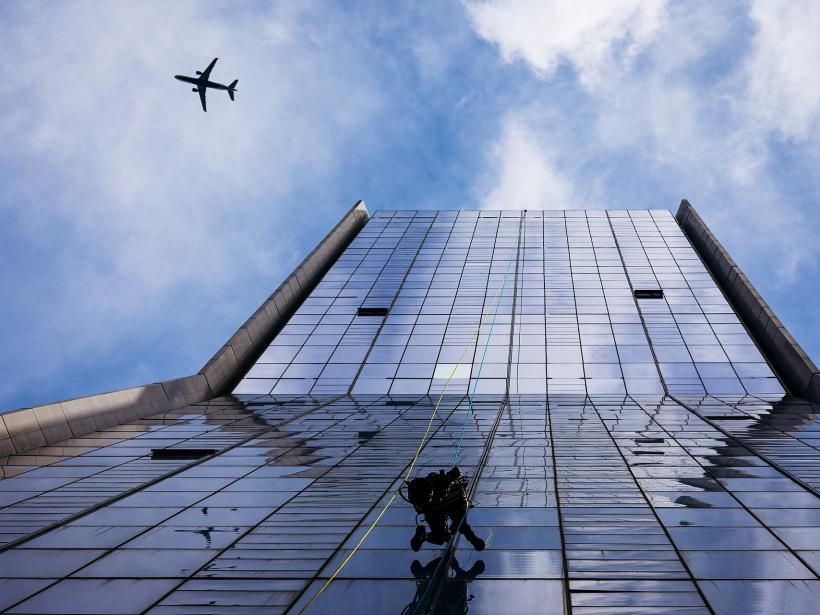
Repainting the outside of an apartment block or office building is one of the biggest maintenance projects an owners corporation takes on. The paint itself is only part of the cost. Getting painters safely to every part of the facade is often the larger share, and the access method shapes the budget, the timeline, and how much disruption residents experience during the work.
For buildings from about four to ten storeys, there are three common options: scaffolding, boom lifts (cherry pickers) and rope access painting in Melbourne. Each one suits some buildings better than others.
Scaffolding
Scaffolding is the traditional choice and still the right one for some jobs. It gives painters a stable platform along the whole facade, which helps with heavy surface preparation, render repairs over large areas, and work that needs a lot of materials close at hand.
The downsides are time and footprint. Scaffolding has to be designed, erected, inspected, and dismantled in line with WorkSafe Victoria's scaffolding requirements, and it is hired by the week. On a busy Melbourne street, it may also need a footpath or road occupation permit from the council. While it is up, balconies are blocked, and windows are screened. Security can become a concern too, because the scaffold gives easy access to upper floors.
Boom lifts
A boom lift works well on low- to mid-rise buildings with good ground access around the base. Painters move quickly from one area to the next, and nothing is fixed to the building.
The limits are reach and ground conditions. Lifts need firm, level ground close to the wall, which rules out many sites with gardens, basements, narrow setbacks or busy footpaths. The higher the building, the larger and more expensive the machine, and on some facades a lift simply cannot get close enough to every part of the wall.
Rope access
With rope access, painters work from ropes anchored on the roof and move down the building one section, or drop, at a time. There is no structure on the ground and nothing in front of the windows for weeks, so residents experience far less disruption. Set-up is quick, which keeps costs down on jobs where access would otherwise be a large part of the price.
Rope access suits flat or mostly flat facades, buildings with little ground space, and jobs spread across several elevations. It is slower on facades with many deep balconies or large overhangs, where painters have to re-rig to reach behind them. The roof also needs suitable anchor points with current inspection tags before work can start.
Side-by-side comparison
| Scaffolding | Boom lift | Rope access | |
|---|---|---|---|
| Set-up | Design, erection and inspection before work starts | Machine delivered on the day | Rigging from roof anchors, usually same day |
| Ground space needed | Full length of the facade | Firm, level ground close to the wall | Exclusion zone below the work area |
| Council permit | Often needed on street frontages | Sometimes needed | Sometimes needed for the exclusion zone |
| Disruption for residents | Balconies and windows blocked for the whole job | Moderate, moves around the site | Low, one drop at a time |
| Best for | Heavy repairs over large areas | Low to mid-rise with open ground | Flat facades, tight sites, several elevations |
| Main limits | Weekly hire, long set-up | Reach and ground conditions | Deep balconies and overhangs, needs certified anchors |
How to compare quotes
Whatever access method a contractor proposes, ask for the quote to be broken down so you can compare like with like. It should show how they will reach each elevation and for how long, what preparation is included (washing, scraping, crack and render repairs, sealant replacement), the paint system with the primer and number of coats, and who arranges permits and traffic control.
Ask as well which balconies and windows will be affected, and in what order. Residents cope far better with disruption they know about in advance.
The cheapest quote is often the one that skips preparation. Paint over poorly prepared surfaces can start to fail within a couple of years, and redoing it costs far more than the original saving. Weather also affects the schedule: see how long paint takes to dry on walls in Australia.
Questions to ask before you sign
- Has the contractor painted buildings of a similar height and facade type?
- Does their insurance cover the access method they plan to use?
- If they use rope access, are the roof anchors inspected and in date, and who checks this?
- How will they protect cars, gardens and balconies below?
- What warranty do they offer on the paint system and the workmanship?
Picking the right method for your building
Choosing the right access method for repainting a building depends on its facade, the condition of the surfaces and the space available around it. A building with a large car park at the front and a simple facade may suit boom lifts. A building that needs heavy render repairs on every elevation may justify scaffolding. On tight sites, rope access can be a cost-effective and less disruptive option.
Final thought
Choose the access method after you know the scope, not before. Get a facade condition report first, then ask contractors to quote against the same scope. The quotes become comparable, and the decision is based on the building rather than on whichever method the first contractor happens to offer.
Frequently asked questions
Is rope access cheaper than scaffolding for painting?
Often, rope access is cheaper on mid-rise buildings with flat facades because there is no weekly hire and set-up is quick. On facades with many deep balconies or heavy repairs over large areas, scaffolding can work out better.
How long does a rope access repaint take?
It depends on the facade area, the preparation needed, and the weather. Because work starts without a long set-up, the total time on site is usually shorter than with scaffolding for the same scope.
What does a building need before rope access painting can start?
Roof anchor points with current inspection tags, a safe way onto the roof, and an agreed exclusion zone at ground level below each drop.
Photo: Tessa Bury, CC BY 4.0, Wikimedia Commons